How to Propagate Downy hawthorn?
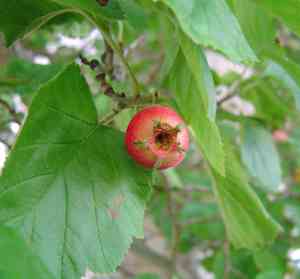
Crataegus mollis flourishes when reproduced via cuttings. To achieve successful development, confirm that the cuttings originate from vigorous, uninfected branches. Employing a rooting stimulant can considerably improve the root formation process. Insert the cuttings into a potting blend that drains effectively, preserving dampness without saturating the soil. This technique encourages swift establishment, enabling cultivators to efficiently generate sturdy new specimens.
What Is the Best Time To Propagate Downy Hawthorn?
Propagation Type
Cutting
Propagation Season
Autumn,Winter
What Tools Are Used in Downy Hawthorn Propagation?
Sharp Pruning Shears
Sharp pruning shears are vital for taking cuttings from downy hawthorn. The blades should be keen and clean to ensure a smooth cut without harming the plant tissues. A precise cut helps reduce stress on downy hawthorn and boosts successful rooting. It's good to pick shears with stainless steel blades for durability and rust resistance.
Rooting Hormone
Rooting hormone is utilized to encourage root growth from downy hawthorn cuttings. By applying a rooting hormone to the cut end, you increase the chance of successful root development, which is key for healthy growth. This tool is especially important for hardwood cuttings like downy hawthorn, which might otherwise struggle to form roots.
Sterilizing Solution
Before propagation, tools must be disinfected to prevent disease spread to downy hawthorn. Using a sterilizing solution, such as alcohol or diluted bleach, ensures all cutting tools and containers for propagation are pathogen-free. This practice promotes the health and vitality of new plants.
Propagation Tray
A propagation tray is used to hold downy hawthorn cuttings in a controlled setting favorable for root development. The tray should have good drainage and be large enough for multiple cuttings, allowing efficient space use. Trays with individual cells are better as they stop developing plant roots from tangling.
Moisture-Controlled Soil or Substrate
A balanced, moisture-controlled substrate is crucial for rooting downy hawthorn cuttings. The substrate should retain moisture while allowing excess water to drain to prevent root rot. A mix of peat, perlite, and vermiculite is often suggested for its ability to support young roots without being too heavy or waterlogged.
How to Propagate Downy Hawthorn?
Propagation Type
Moderately Difficult
How to Care for Your Newly Propagated Downy Hawthorn?
How to Care for Your Newly Propagated Downy Hawthorn?
Once the downy hawthorn cutting has rooted and new growth appears, gradually expose it to more direct sunlight. Continue to water regularly but let the topsoil dry slightly between waterings. Fertilize with a balanced, slow-release fertilizer during the active growing season. Protect downy hawthorn from extreme temperatures and pests through regular monitoring and preventative measures.
Common Mistakes to Avoid When Propagating Downy Hawthorn
Insufficient Seed Stratification
Downy hawthorn seeds need a cold stratification period to break dormancy. Skipping or shortening this process can lead to poor germination rates, as the seeds may not get the necessary signals to start growing.
Excessive Watering
Downy hawthorn seeds and cuttings are prone to rot and fungal diseases if overwatered. Saturated soil can deprive roots of oxygen, leading to root rot and reduced survival chances during propagation.
Neglecting Soil Quality
Using poor or unsuitable soil mix can hinder root development for downy hawthorn cuttings. Soil that is too dense or lacks nutrients can prevent proper root establishment and growth.
Tips For Propagating Downy Hawthorn
Cold Stratification
Mimic natural winter conditions for downy hawthorn seeds by stratifying them in moist sand or peat at cool temperatures for about 90-120 days before planting. This process helps break seed dormancy and encourages germination.
Moderate Watering
Maintain consistent moisture but avoid waterlogging the soil when propagating downy hawthorn from cuttings or seeds. Ensure the planting medium drains well to prevent root and stem diseases.
Use Rooting Hormone
When propagating downy hawthorn from cuttings, applying a rooting hormone can significantly boost the likelihood of successful root formation, providing a hormonal aid that promotes root growth and development.



