How to Propagate Mexican buttonbush?
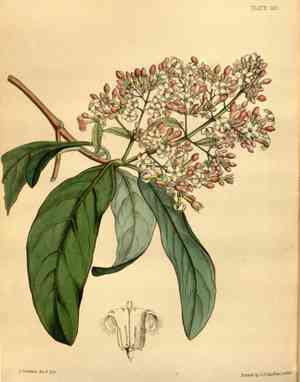
The Mexican buttonbush, a deciduous shrub thriving in moist environments, can be reproduced via cuttings. To ensure success, utilize semi-hardwood cuttings harvested from recent growth. Dampen the severed ends and immerse them in rooting compound. Insert them into adequately draining soil and sustain elevated humidity levels to stimulate root formation. Consistent humidity and warmth are vital for robust growth, alongside vigilant pest management. Through perseverance, thriving plants can be cultivated from these cuttings.
Optimal Time for Mexican Buttonbush Propagation
Propagation Method
Cutting
Propagation Period
Spring,Summer
Tools Required for Mexican Buttonbush Propagation
Pruning Shears
Pruning shears are vital for obtaining stem cuttings from mexican buttonbush. They ensure clean cuts, minimizing harm to the parent plant and boosting the likelihood of root formation on the cutting.
Rooting Hormone
Rooting hormone powder or gel is essential for stimulating root development in mexican buttonbush cuttings. This hormone promotes root cell growth, particularly for species that may root slowly.
Sterile Growing Medium
A sterile growing medium, such as a blend of perlite and peat moss, offers a pathogen-free environment for mexican buttonbush cuttings to establish roots. This safeguards delicate new roots from disease.
Humidity Dome
Humidity domes create a consistent, high-humidity environment for mexican buttonbush cuttings, which helps prevent dehydration and keeps the foliage firm while roots are forming.
Sharp Knife or Scalpel
A sharp knife or scalpel is utilized for making precise incisions on the stem. This tool is especially useful for creating vertical cuts near nodes, where rooting is more probable.
Misting Bottle
A misting bottle keeps mexican buttonbush cuttings moist without saturating the growing medium. This balance is crucial for preventing fungal growth while ensuring sufficient moisture for root development.
Heat Mat
Heating mats provide bottom warmth, which can be advantageous in accelerating root development for mexican buttonbush. The gentle heat encourages quicker rooting, especially in cooler conditions.
Labels and Marker
Labels and a waterproof marker are important for tracking different batches of mexican buttonbush cuttings. This assists in monitoring progress and maintaining accurate records throughout the propagation process.
How to Propagate Mexican Buttonbush?
Propagation Difficulty
Moderately Difficult
How to Care for Your Newly Propagated Mexican Buttonbush?
How to Care for Your Newly Propagated Mexican Buttonbush?
Once mexican buttonbush cuttings have rooted and new growth is apparent, gradually introduce them to outdoor conditions by lowering humidity and increasing light exposure. Transplant the rooted cuttings into individual pots containing rich, well-draining soil. Consistent watering and fertilization with a balanced, slow-release fertilizer will encourage healthy growth. Monitor for pests and diseases, applying appropriate treatment as needed. Over time, as the plants mature, move them to their permanent outdoor spot in partial to full sun and provide ongoing care tailored to mexican buttonbush's specific requirements.
Common Mistakes to Avoid When Propagating Mexican Buttonbush
Overwatering
Excessive watering can lead to root rot, as mexican buttonbush prefers well-drained soils. Too much moisture can suffocate roots and cause fungal infections.
Poor soil selection
Using heavy clay or overly compacted soil can impede root development and drainage, affecting mexican buttonbush's growth and making it vulnerable to disease.
Improper cutting techniques
Not using sterilized tools or making incorrect cuts can introduce pathogens or damage plant tissue, reducing the chances of successful rooting.
Neglecting light requirements
Propagating mexican buttonbush in too much shade or direct harsh sunlight can hinder growth. Appropriate light conditions are vital for photosynthesis and healthy development.
Tips For Propagating Mexican Buttonbush
Use well-drained soil
Select a soil mix that ensures good drainage, such as a sandy or loamy blend. This promotes healthy root growth and prevents waterlogging.
Sterilize tools
Always sterilize pruning shears or knives before taking cuttings to minimize the risk of introducing diseases.
Take healthy cuttings
Choose vigorous, disease-free stems for cuttings. Ensure the cuttings are about 4-6 inches long and cut just below a node.
Provide adequate light
Place cuttings in a location where they receive bright, indirect light. This aids in photosynthesis without causing stress from excessive heat.



