How to Propagate Flea sedge?
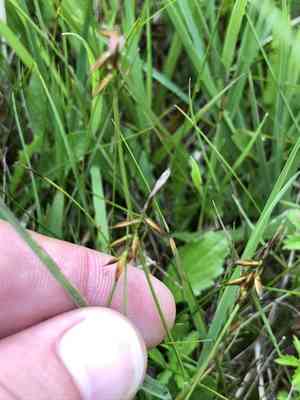
Flea sedge flourishes most effectively when multiplied by splitting. To achieve successful multiplication, separate the clusters in early spring as soon as new growth begins. Gently disentangle the root systems to guarantee that every segment possesses sufficient roots and emerging stems. Immediately replant the segments in damp, adequately draining soil, preferably in a shaded or partly shaded location to replicate flea sedge's inherent habitat. Consistent irrigation and protection from direct sun exposure will aid the segments in establishing themselves more successfully.
What Is the Best Time To Propagate Flea Sedge?
Propagation Type
Splitting
Propagation Season
Spring,Autumn
What Tools Are Used in Flea Sedge Propagation?
Garden spade or fork
A robust garden spade or fork is vital for dividing flea sedge. This implement aids in carefully lifting the plant from the ground while minimizing harm to its root systems. Its sharp edges enable a clean cut through the soil and roots, ensuring each division possesses a healthy amount of roots, crucial for successful re-establishment.
Pruning shears
Sharp pruning shears are utilized to trim any dead or overly long roots and foliage from flea sedge following division. This encourages healthier, more vigorous growth post-transplanting by redirecting the plant's energy towards developing new roots and shoots instead of sustaining non-essential parts.
Garden trowel
A garden trowel is useful for excavating small holes to replant the divisions of flea sedge. Its dimensions allow for more precise control during planting, ensuring divisions are placed at the correct depth and spacing. This supports the development of a strong root system.
Watering can with a gentle shower head
Providing gentle, consistent irrigation via a watering can equipped with a gentle shower head is essential after planting flea sedge divisions. It helps settle the soil around the roots and prevents the plant from experiencing water stress, which is vital for its recovery and growth.
Rooting hormone (optional)
While not strictly necessary, applying a rooting hormone can boost root development in flea sedge divisions. This can be particularly helpful if the divisions appear weak or less vigorous. The hormone promotes quicker establishment and robust growth.
How to Propagate Flea Sedge?
Propagation Type
Simple
How to Care for Your Newly Propagated Flea Sedge?
How to Care for Your Newly Propagated Flea Sedge?
Post-propagation, maintain consistently moist but not waterlogged soil for flea sedge to establish. Provide partial to full sunlight based on local climate. Mulch around new sections to retain moisture and suppress weeds. As flea sedge establishes, reduce watering and monitor for growth or distress.
Common Mistakes to Avoid When Propagating Flea Sedge
Overwatering seedlings
In their initial growth phases, flea sedge seedlings are highly vulnerable to damping off, a fungal condition that thrives in excessively damp conditions. Too much water can lead to root rot, ultimately killing young plants.
Using poor draining soil
As flea sedge prefers well-drained environments, employing heavy or clay-rich soils can impede root development and reduce oxygen availability to the roots, resulting in poor growth or death.
Neglecting light requirements
Flea sedge flourishes under specific light conditions. Failing to provide the appropriate amount of light can lead to weak, elongated, and unhealthy plants that struggle to survive and propagate.
Planting at incorrect depth
Sowing flea sedge seeds too deeply can hinder germination as the seeds may not receive sufficient light or may be unable to reach the soil surface. This error can significantly decrease propagation success.
Tips For Propagating Flea Sedge
Use of well-draining substrate
Always choose a loose, airy substrate that retains moisture without becoming waterlogged. Such conditions support healthier root growth and prevent diseases in flea sedge.
Moderate watering regime
Water flea sedge seedlings carefully, ensuring the soil is moist but not saturated. It's crucial to allow the soil surface to dry slightly between waterings to promote strong root health.
Proper sowing depth
When propagating flea sedge from seeds, sow them lightly on the surface of your growing medium. These seeds require light for optimal germination, so they should not be buried deeply.
Controlled light exposure
Ensure that flea sedge receives adequate but not excessive light. This balances growth needs while preventing stress from overly intense light, which can impede its development.



