How to Propagate Longstalk sedge?
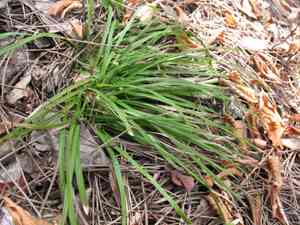
A robust and versatile variety, longstalk sedge thrives through the separation of its clusters, a technique that fosters revitalization and expansion. For propagation, sever the root mass during its active development period, making certain that every new segment possesses roots and emerging foliage. Immediately re-embed these portions, preserving soil dampness and offering protection from direct sunlight until they are firmly rooted. This strategy boosts longstalk sedge's thickness, ensuring the enduring appeal of these grass-like perennial plants in appropriate environments.
Optimal Period for Longstalk Sedge Propagation
Propagation Method
Division
Propagation Period
Spring,Autumn
Tools for Longstalk Sedge Propagation
Sharp Spade or Knife
A keen spade or knife is vital for dividing the dense root structure of longstalk sedge. This implement ensures precise cuts, minimizing root damage and promoting faster recovery and successful establishment post-propagation. The blade's sharpness is key for swift, accurate divisions, lessening plant stress.
Garden Fork
This tool is employed to carefully lift longstalk sedge from the ground, reducing root disturbance. Garden forks feature tines designed to penetrate dense soils without extensively harming root systems, making them ideal for extracting perennial sedges like longstalk sedge. Their sturdy build aids in prying the plant from the earth, especially with this species' typically deep, tangled roots.
Watering Can with Fine Rose
Following division, longstalk sedge needs sufficient watering to help its new sections establish. A watering can with a fine rose attachment delivers water gently and evenly, mimicking light rain. This is particularly beneficial for longstalk sedge as it prevents soil compaction around newly planted divisions and keeps roots moist without dislodging or eroding the soil.
Rooting Hormone Powder
Though not always required, applying rooting hormone powder to the cut root sections of longstalk sedge can boost root development and improve the overall success rate of divisions. The hormone encourages quicker root formation, enabling longstalk sedge to establish itself more rapidly in its new location, thereby increasing survival during the crucial initial weeks after propagation.
How to Propagate Longstalk Sedge?
Propagation Type
Easy
Caring for Your Newly Propagated Longstalk Sedge
Caring for Your Newly Propagated Longstalk Sedge?
Post-propagation, maintain consistent moisture in the longstalk sedge's soil, avoiding waterlogging. Position it in partial to full shade, as longstalk sedge prefers cooler conditions. Monitor for stress signs in the initial weeks and adjust care as needed. A balanced fertilizer in early spring can encourage robust growth and vitality.
Common Errors to Avoid When Propagating Longstalk Sedge
Over-watering
Excessive watering of longstalk sedge can lead to root rot and fungal issues, as its root system favors well-drained conditions. Over-watering diminishes oxygen availability in the soil, stressing the plant and potentially causing its demise.
Too much sunlight
Longstalk sedge thrives in partial to full shade. Exposing it to excessive direct sunlight can cause leaf scorching, ultimately diminishing its vigor and aesthetic appeal.
Using poor soil mix
Employing a heavy or poorly draining soil mix can impede the root health of longstalk sedge. This error can result in waterlogging, negatively impacting the plant's growth and survival.
Tips For Propagating Longstalk Sedge
Use of division
Propagating longstalk sedge via division in spring or late summer ensures robust root systems and enhances propagation success. Gently separate rhizomes and promptly replant, maintaining adequate moisture without saturating the soil.
Appropriate shading
Providing sufficient shade when propagating longstalk sedge will shield it from intense sunlight, thereby facilitating better root establishment and overall health.
Soil composition
Utilizing well-draining soil rich in organic matter will aid in the successful propagation of longstalk sedge. This composition supports vigorous root growth while supplying essential nutrients and proper moisture retention.



