How to Propagate Southwestern false cloak fern?
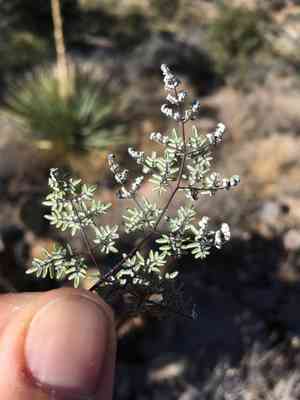
The Southwestern false cloak fern, a unique fern variety native to the southwestern regions of the United States, is best propagated through division. This method entails meticulously separating the plant's underground stems (rhizomes) to guarantee successful establishment. Employing disinfected implements reduces the likelihood of harm and disease, and situating the divided sections in adequately draining soil under dappled light conditions mimics its natural environment. Consistent spraying helps maintain ideal humidity, fostering robust growth.
Optimal Time for Southwestern False Cloak Fern Propagation
Propagation Method
Division
Propagation Period
Spring,Autumn
Tools for Southwestern False Cloak Fern Propagation
Garden Spade
A garden spade is vital for carefully extracting southwestern false cloak fern from the ground without harming its root system, which is key for successful division and replanting.
Sharp Knife or Pruning Shears
These instruments are needed for cleanly and precisely dividing the plant. They ensure neat cuts that lessen the chance of infection or illness, promoting faster recovery and development.
Gardening Gloves
Gardening gloves safeguard your hands when handling southwestern false cloak fern. They also help prevent the transfer of oils and microbes that could harm the plant.
Rooting Hormone
Rooting hormone can be applied to the separated sections to stimulate the growth of new roots and boost the likelihood of successful propagation.
Plant Labels
Using plant labels assists in keeping track of each division, ensuring all sections are properly identified and observed during the propagation process.
Watering Can with Fine Rose
A watering can with a fine rose is useful for gently moistening the soil around the newly divided plants. This ensures the soil stays adequately hydrated without overwhelming the new roots.
Sterilizing Solution
A sterilizing solution is important for cleaning tools between cuts. This prevents the spread of pathogens and encourages healthy growth in newly divided sections of southwestern false cloak fern.
How to Propagate Southwestern False Cloak Fern?
Propagation Type
Easy
Caring for Your Newly Propagated Southwestern False Cloak Fern
Caring for Your Newly Propagated Southwestern False Cloak Fern
After successfully propagating southwestern false cloak fern, focus on maintaining a stable, moist environment with adequate humidity. Protect the plant from direct sunlight and provide bright, indirect light. Regularly remove any dead or yellowing fronds to encourage healthy growth and prevent potential fungal issues. Fertilize sparingly with a balanced, diluted fertilizer once the new growth is established, typically during the growing season. With proper care, southwestern false cloak fern will thrive and continue to add unique beauty to your garden or indoor space.
Common Mistakes to Avoid When Propagating Southwestern False Cloak Fern
Overwatering
Excessive moisture can lead to root rot and fungal diseases, which are detrimental to southwestern false cloak fern.
Inadequate Light
Insufficient light can hinder growth and photosynthesis, essential for southwestern false cloak fern to thrive and propagate.
Poor Soil Drainage
Heavy, poorly draining soil can cause waterlogging, suffocating the roots of southwestern false cloak fern.
Using Incorrect Soil Mix
A soil mix that does not replicate southwestern false cloak fern's natural rocky, well-draining habitat can impede its growth.
Neglecting Humidity Needs
Failure to maintain appropriate humidity can lead to desiccation, impeding southwestern false cloak fern's propagation.
Tips For Propagating Southwestern False Cloak Fern
Mimic Natural Habitat
Use a well-draining rocky soil mix to replicate the natural environment of southwestern false cloak fern.
Ensure Adequate Light
Place southwestern false cloak fern in a location where it receives sufficient indirect light to support photosynthesis.
Monitor Watering
Water sparingly, allowing the soil to dry out between watering to prevent root rot.
Enhance Drainage
Incorporate materials like sand or perlite in the soil mix to improve drainage.
Maintain Humidity
Provide a humid environment, possibly through regular misting or using a humidity tray.



