How to Propagate Parry's Agave?
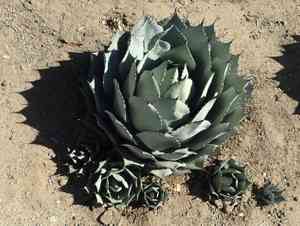
The reproduction of Parry's Agave predominantly takes place in Spring and Autumn, with division being the preferred technique. This propagation process is relatively straightforward, indicated by the emergence of new shoots and the development of a root system. Gentle management of the offsets during their detachment is essential.
Optimal Time for Parry's Agave Propagation
Propagation Method
Division
Propagation Period
Spring, Autumn
Tools Required for Parry's Agave Propagation
Sharp, sterile knife or pruners
Utilized for carefully detaching offsets (or "pups") from the main parry's Agave plant. Sterilization prevents disease spread, and a sharp blade ensures a clean cut that heals faster, reducing stress on both the parent plant and the offsets.
Gloves
Protects hands when handling parry's Agave, which may have sharp edges and spines. Gloves also offer improved grip, allowing for safer and more precise cutting during division.
Spade or shovel
These implements are employed for digging around the base of the parry's Agave to safely extract the plant without severely harming the root system when preparing for division.
Rooting hormone
Can be applied to the cut surfaces of parry's Agave offsets to stimulate quicker root development and enhance the likelihood of successful propagation.
Pots with drainage holes
These are vital for parry's Agave pups to ensure surplus water can freely drain away, preventing waterlogged conditions that could lead to root rot and fungal infections.
Watering Can with a Fine Rose Attachment
Enables gentle irrigation of the newly potted parry's Agave offsets without disturbing the roots or the potting medium. Gentle watering helps settle the soil around the roots and eliminates air pockets.
How to Propagate Parry's Agave
Propagation Method
Division
Difficulty Level
Easy
Caring for Your Newly Propagated Parry's Agave
Caring for Your Newly Propagated Parry's Agave
Post-propagation, newly planted parry's Agave offsets should be placed in an area receiving ample sunlight, such as a south-facing window for indoor specimens, or a sunny garden spot. Water sparingly, allowing the soil to completely dry between waterings, and provide more moisture during active growth. Fertilize minimally, as parry's Agave typically needs little extra nutrition. Given parry's Agave's desert adaptation, it's crucial to shield it from prolonged cold and wet soil to prevent root rot. Monitor for pest issues, which are uncommon for parry's Agave. As the plant matures, repeat propagation to manage size and create new plants.
Common Propagation Errors to Avoid with Parry's Agave
Overwatering
Excessive watering can cause root rot, a frequent problem for parry's Agave. This species is drought-tolerant and requires minimal irrigation. Too much moisture around roots, especially during propagation, can be fatal.
Using non-draining pots
Propagating in containers without adequate drainage can lead to water accumulation, which is detrimental to parry's Agave's roots and can result in fungal diseases or root decay.
Excess humidity
While some humidity is beneficial, too much can foster fungal growth. Parry's Agave is a desert plant, and excessive humidity can impede its growth or cause rot.
Improper soil mix
Employing a soil blend that retains too much water or lacks aeration can hinder successful propagation. Parry's Agave requires a well-draining, gritty mix suitable for succulents.
Cutting an immature pup or offset
Attempting to propagate parry's Agave by removing and planting a pup or offset that is too young can lead to failure. Young offsets may not have sufficiently developed roots to sustain themselves.
Tips For Propagating Parry's Agave
Allow cuttings to callus
Before planting cuttings, permit the wound to form a callus over several days to prevent rot. This is vital as parry's Agave cuttings are susceptible to moisture-related infections.
Use a sharp, sterile tool
When detaching pups, offsets, or cuttings for propagation, always use a sharp, clean implement to minimize damage and reduce the risk of infection.
Provide indirect light
After planting parry's Agave's offsets, cuttings, or seeds, ensure they receive bright, indirect sunlight to encourage growth without scorching the young plants.
Moderate watering
Water parry's Agave sparingly, particularly during propagation. Allow soil to completely dry between waterings to emulate parry's Agave's natural arid conditions.
Support with stakes
If propagating parry's Agave from a large cutting, using a stake to support it until roots develop can prevent it from toppling over and damaging the developing roots or stem.



