How to Propagate Serpentine wallflower orchid?
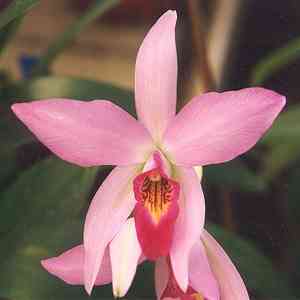
The Serpentine wallflower orchid, a fragile orchid species, flourishes in stony, serpentine environments. Perfect for gardening aficionados, it can be successfully multiplied by separating its clumps. Verify that every separated portion possesses sound roots and pseudobulbs. Employ a substrate that drains efficiently to accommodate its specific growing requirements. Consistently observe moisture levels to avert drying out, fostering vigorous growth. Adhering to these guidelines guarantees effective propagation while preserving the species' unique attributes.
Optimal Period for Propagating Serpentine Wallflower Orchid?
Propagation Method
Division
Propagation Period
Spring,Autumn
Tools Required for Serpentine Wallflower Orchid Propagation?
Sharp Knife or Pruning Shears
Utilized for precise plant division. Clean cuts minimize harm and infection risk, fostering healthier divisions for successful serpentine wallflower orchid propagation.
Disinfectant Solution
Applied to sanitize tools before and after cuts. This prevents disease and pathogen spread, vital for the delicate nature of serpentine wallflower orchid.
Rooting Hormone
Applied to cut sections to stimulate root growth. For serpentine wallflower orchid, promoting quick root development after division enhances establishment success.
Planting Trays or Pots
Used to temporarily house divisions until strong roots form. Offers a controlled setting for the initial growth phase of serpentine wallflower orchid.
Perlite or Orchid Mix
These well-draining substrates support the delicate root systems of serpentine wallflower orchid by preventing waterlogging and enhancing aeration.
Humidity Dome or Plastic Wrap
Creates a moist microenvironment for new divisions, crucial for successful serpentine wallflower orchid propagation by preventing drying out.
Labels and Markers
Used to identify divisions and track their progress. Aids in monitoring each division's development stage for serpentine wallflower orchid.
Watering Can with Fine Rose
Provides gentle watering to avoid disturbing the delicate roots of serpentine wallflower orchid during the initial post-division stages.
How to Propagate Serpentine Wallflower Orchid?
Propagation Type
Easy
Caring for Your Newly Propagated Serpentine Wallflower Orchid?
Caring for Your Newly Propagated Serpentine Wallflower Orchid?
Post-propagation, maintain high humidity and consistent moisture for serpentine wallflower orchid, allowing the medium to dry slightly between waterings. Fertilize monthly with a half-strength balanced orchid fertilizer. Regularly check for pests and diseases. Gradually acclimate serpentine wallflower orchid to its permanent spot, ensuring good air circulation.
Common Errors to Avoid When Propagating Serpentine Wallflower Orchid
Overwatering
Excessive watering can cause root rot in serpentine wallflower orchid, as it prefers well-drained growing media.
Incorrect Light
Exposing serpentine wallflower orchid to direct sunlight can lead to leaf scorching, as it thrives in filtered or partial shade.
Improper Substrate
Using dense, heavy soil can suffocate roots; serpentine wallflower orchid requires a well-aerated, light substrate.
Lack of Humidity
Failure to provide adequate humidity can cause dehydration, as serpentine wallflower orchid needs high humidity levels for optimal growth.
Inadequate Air Circulation
Poor airflow can encourage fungal diseases; serpentine wallflower orchid benefits from good air movement around its foliage and roots.
Tips For Propagating Serpentine Wallflower Orchid
Use Well-Draining Medium
Employ a substrate like a mix of bark, charcoal, and perlite to ensure proper drainage for serpentine wallflower orchid.
Maintain High Humidity
Keep humidity high, ideally around 60-70%, to facilitate healthy root and shoot development for serpentine wallflower orchid.
Provide Indirect Light
Place serpentine wallflower orchid in a location with indirect light to mimic its natural environment and prevent foliage damage.
Ensure Adequate Airflow
Improve air circulation around serpentine wallflower orchid to prevent mold and fungal issues, using fans if necessary.
Monitor Watering
Water serpentine wallflower orchid when the top layer of the substrate is dry to the touch, avoiding excessive moisture to prevent root rot.



