How to Overwinter Longstalk sedge
1
Longstalk sedge withstands cold temperatures, yet it thrives with appropriate winter care.
2
Apply natural mulches such as straw or compost to protect your Longstalk sedge over winter.
3
Observe your Longstalk sedge for indications of cold damage and address problems quickly to guarantee a robust plant in spring.
Understanding Longstalk sedge
Understanding Longstalk sedge
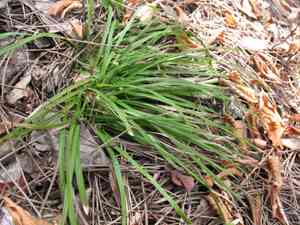
The Longstalk sedge (Carex pedunculata) is a robust, perennial grass-like plant recognized for its elongated, arching stems and seed heads. This plant flourishes in damp, well-drained soils and can endure various light conditions, from full sun to partial shade. Celebrated for its hardiness, the Longstalk sedge is often found in woodland gardens and naturalized areas. Despite its ability to withstand frost, providing this plant with proper overwintering care will ensure its health and productivity through the cold months.
Preparing Longstalk sedge for Winter
When to Start Preparing
It's essential to begin getting your Longstalk sedge ready for winter well before the initial frost. Ideally, commence this process in late autumn when temperatures consistently start to drop. This timing allows the plant ample opportunity to adapt to colder weather and ensures that necessary protective measures are in place.
Essential Tools and Materials
To adequately prepare your Longstalk sedge for winter, gather the following tools and supplies: Garden gloves Pruning shears Organic mulch (straw, compost, or leaves) Burlap or frost cloth Stakes or garden hoops (for creating a protective cover) Having these items ready will make the process smoother and more efficient.
Winterizing Longstalk sedge: Step-by-Step Guide
How to Mulch Your Longstalk sedge
Mulching is a crucial step in winterizing Longstalk sedge. Apply a 5-10 cm (2-4 inches) layer of organic mulch around the plant's base. This mulch serves as an insulating layer, helping to regulate soil temperature and retain moisture. Ensure the mulch is spread evenly and avoid piling it directly against the stems to prevent rot.
Watering Needs During Dormancy
Even though Longstalk sedge enters a dormant state during winter, it still requires occasional watering, especially during dry periods. Water the plant deeply once a week if there's no snow or rainfall, ensuring the soil remains slightly moist but not waterlogged. Excessive watering can lead to root rot, which is harmful to your plant's health.
Providing Adequate Protection
In regions with harsh winters, additional protection may be necessary. Use burlap or frost cloth to cover the Longstalk sedge, supported by stakes or garden hoops to create a tent-like structure. This covering will shield the plant from strong winds and frost. Remember to secure the edges well to prevent them from blowing away.
Common Issues and Troubleshooting
What If Longstalk sedge Shows Signs of Frost Damage?
Frost damage in Longstalk sedge typically appears as discolored or wilted leaves. If you observe such signs, remove the affected foliage to prevent further stress on the plant. Applying a thin layer of mulch and ensuring proper winter protection can help the plant recover more quickly.
Pest Management in Winter
While pests are less active in winter, it's still important to monitor your Longstalk sedge for any signs of infestation, such as chewed leaves or unusual spots. Remove any visible pests and consider using natural repellents like neem oil to keep potential problems at bay.
Monitoring and Post-Winter Care
When to Remove Winter Protection
Remove winter protection once the last frost has passed and temperatures begin to warm up consistently. Gradually reduce mulch thickness to allow the soil to warm up and encourage new growth. Be careful during this transition to prevent shocking the plant.
Spring Revival Techniques
In spring, prune any dead or damaged foliage to stimulate new growth. Apply a balanced, slow-release fertilizer to replenish nutrients and support the plant during its active growing season. Regularly water the Longstalk sedge and monitor it for any signs of disease or pest issues as the weather warms up.



