How to Overwinter Parry's Agave
1
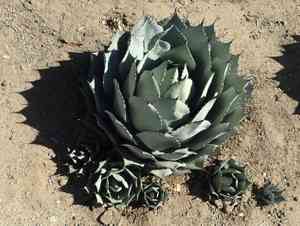
Parry's Agave is a semi-hardy plant and requires safeguarding in areas experiencing severe cold seasons.
2
Confirm your Parry's Agave is arid prior to any freezing conditions to avoid root decay.
3
Slow adaptation is crucial when moving your Parry's Agave back outside in the springtime.
Why Overwintering Parry's Agave is Essential?
Why Overwintering Parry's Agave is Essential?
Primarily found in the southwestern United States, Parry's Agave thrives in arid and warm climates. However, this semi-hardy plant can suffer greatly in harsh winter conditions, especially in areas with freezing temperatures and heavy frost. Overwintering is a critical practice to ensure your Parry's Agave stays healthy and flourishes through the colder months. Proper overwintering techniques can prevent root rot, frost damage, and other winter-related problems, helping your plant rebound stronger in spring.
Preparing Parry's Agave for Overwintering
Assessing Plant Health
Before starting the overwintering process, it's vital to evaluate the health of your Parry's Agave. Look for any signs of disease, pests, or damage. Healthy plants overwinter more successfully as they possess the necessary resilience to endure periods of dormancy.
Cleaning and Pruning
Cleaning involves removing any dead foliage or debris from around the plant's base. This step is crucial for preventing pests from finding shelter. Pruning, conversely, entails trimming any damaged or diseased sections. Pruning helps the plant concentrate its energy on maintaining vital parts during dormancy.
Choosing the Right Container
If your Parry's Agave is already potted, ensure the container offers ample space for root development and has proper drainage. If planted in the ground, consider moving it to a portable container. This allows for better control over its environment during the winter season.
Ideal Conditions for Overwintering Parry's Agave
Temperature Requirements
Parry's Agave prefers temperatures between 10°C-15°C (50°F-59°F) during winter. It's crucial to keep the plant away from freezing temperatures, which can severely damage its tissues. Indoor settings or greenhouses can provide a controlled environment to maintain these temperatures.
Humidity and Air Circulation
Low humidity is preferred for Parry's Agave. Indoors, keep the plant in a room that isn't excessively humid, ensuring good air movement. Avoid placing it in overly damp areas like basements. Adequate air circulation can prevent fungal issues and other diseases.
Light Needs
Parry's Agave still requires sunlight in winter, though less than during its active growing seasons. Position the plant near a south-facing window where it can receive indirect sunlight. Alternatively, you can use grow lights to supplement natural light, ensuring the plant gets about 6-8 hours of light daily.
Bringing Parry's Agave Back Outdoors
Gradual Acclimatization
Once winter ends, do not rush to place your Parry's Agave directly outdoors. Gradual acclimatization is essential. Begin by placing the plant outside for a few hours daily, slowly increasing the duration over one to two weeks. This transition helps the plant adjust to the outdoor environment gradually.
Timing for Reintroduction
The best time to reintroduce your Parry's Agave outdoors is after the last frost when nighttime temperatures consistently remain above 10°C (50°F). This timing varies by your specific location, so always check local frost dates to ensure your plant's safety.



