Enhancing Your Garden Design with the Arctic lupine Plant: A Landscaping Guide
1
Arctic lupine offers both visual appeal and environmental advantages to any garden space.
2
Appropriate care and upkeep are crucial for Arctic lupine's best development.
3
Integrate Arctic lupine into themed garden designs for a unified and impressive outdoor area.
Arctic Lupine in Landscaping: An Overview
Why Arctic lupine is perfect for garden design
Arctic lupine is a versatile plant that flourishes in diverse settings. Its robust nature makes it an excellent choice for gardeners seeking a durable yet visually appealing addition to their landscape. With its cold tolerance and ability to grow in poor soil, Arctic lupine stands out as a resilient option for all garden types.
The visual appeal of Arctic lupine
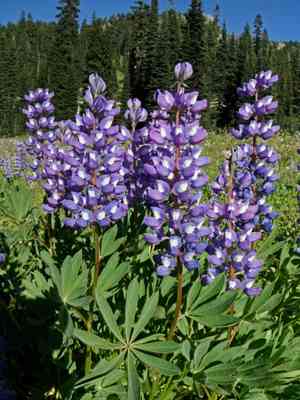
A key feature of Arctic lupine is its stunning, vibrant blooms that appear in various colors, offering seasonal interest and attracting pollinators like bees and butterflies. The plant's distinct foliage and structural form can add texture and depth to any garden, making it a favorite among designers aiming for dynamic visual spaces.
Designing with Arctic Lupine: Approaches and Concepts
Integrating Arctic lupine into themed gardens
Arctic lupine is highly adaptable and can enhance various garden themes. Whether you're aiming for a cottage garden, a native plant garden, or a modern minimalist design, Arctic lupine can fit seamlessly. For instance, in a cottage garden, its colorful flowers can complement other classic perennials, creating a lush, romantic feel.
Balancing color and texture with Arctic lupine
When designing with Arctic lupine, consider your garden's color palette and textures. The vibrant hues of Arctic lupine's flowers can create striking contrasts when paired with plants having different leaf shapes and colors. For example, placing Arctic lupine alongside ornamental grasses or evergreens can highlight its colorful blooms, adding a visual pop to your landscape.
Height, spacing, and environmental factors for Arctic lupine
Understanding Arctic lupine's growth habits is vital for effective garden planning. It typically reaches a moderate height, making it suitable for mid-border plantings. Ensure proper spacing for healthy growth and air circulation. Also, consider its environmental needs, such as ample sunlight and well-drained soil, to ensure it thrives.
Seasonal Care for Arctic Lupine
Spring preparations for optimal growth
Spring is crucial for preparing Arctic lupine for the growing season. Start by clearing debris around the plants to encourage healthy new growth. Apply a balanced fertilizer for essential nutrients and ensure the soil is well-aerated. Regularly check for pests or diseases and address them promptly.
Summer maintenance and care
During summer, Arctic lupine needs consistent watering, especially during dry periods. Mulching around the plant base helps retain moisture and keeps roots cool. Deadheading spent flowers encourages more blooms and maintains a neat appearance. Monitor for pests and diseases, taking necessary action to prevent infestations.
Preparing Arctic lupine for winter dormancy
As the growing season ends, it's essential to prepare Arctic lupine for winter. Cut back dead or damaged growth and apply a layer of mulch to protect roots from freezing. In areas with harsh winters, consider covering plants with breathable fabric to shield them from extreme cold and drying winds.
Common Challenges and Solutions for Arctic Lupine
Managing pests and diseases affecting Arctic lupine
Arctic lupine can sometimes be affected by pests like aphids or fungal diseases such as powdery mildew. Regularly inspect plants and apply organic or chemical treatments as needed. Integrated pest management, like introducing beneficial insects, can also help control pest populations.
Soil and nutrient concerns
While Arctic lupine adapts to various soil types, it thrives best in well-drained, moderately fertile soil. Conduct a soil test to determine if amendments are needed to adjust pH or nutrient levels. Adding organic matter, such as compost, can improve soil structure and provide essential micronutrients for healthy growth.
Environmental stress and Arctic lupine
Arctic lupine can be sensitive to environmental stresses like extreme heat, cold, or drought. To mitigate these, ensure plants receive adequate water and consider using shade cloth during intense heat. In areas prone to heavy rainfall, improving drainage around plants can prevent root rot and other moisture-related issues.



