Enhancing Your Garden Design with the Common freesia Plant: A Landscaping Guide
1
Selecting an appropriate spot for Common freesia greatly influences its development and beauty.
2
Interplanting with Common freesia can improve your garden's general well-being and appearance.
3
Year-round maintenance is crucial for Common freesia to flourish continuously.
Introducing Freesia in Landscape Design
The distinct beauty of Freesia
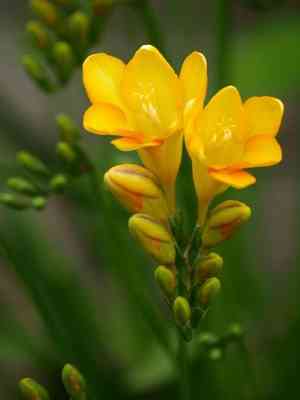
The vivid hues and delicate scent of Freesia can transform any outdoor space into a visual and aromatic delight. Freesia blossoms come in a range of colors, each equally captivating, ensuring a shade for every garden. Their trumpet-shaped flowers are particularly striking, and their unmistakable fragrance can charm any garden visitor. Incorporating Freesia into your landscape adds not just beauty, but also an air of elegance and grace.
Popular garden styles featuring Freesia
Freesia is adaptable and integrates beautifully into various garden styles. Whether you prefer a classic cottage garden, a modern minimalist aesthetic, or a lush, tropical haven, Freesia can enhance your design. In cottage gardens, Freesia adds rustic charm and blends seamlessly with other brightly colored, traditional blooms. For contemporary landscapes, clusters of Freesia can create striking visual interest against sleek, understated backgrounds. In tropical gardens, the vibrant shades of Freesia complement the greenery and exotic feel, making it a prominent feature.
Selecting the Ideal Spot for Freesia in Your Garden
Evaluating light and soil needs
Freesia thrives best in well-drained soil and a location that receives ample sunlight. Before planting, it's crucial to assess the soil quality and ensure it's neither too heavy with clay nor too sandy. Amend with compost to enrich the soil if necessary. Freesia requires at least six hours of daily sunlight to bloom magnificently. Therefore, avoid placing Freesia in overly shaded areas as this can hinder its flowering potential.
Strategic placement for visual impact
To maximize Freesia's appeal, consider placing them where their beauty can be easily admired. Planting Freesia along pathways encourages visitors to enjoy their fragrance and aesthetics up close. Grouping Freesia in clusters can create striking focal points in your garden. It is also effective to plant them at varying heights to create visual layers. For a more dynamic look, mix Freesia with other plants that have contrasting foliage or flowers. This thoughtful placement not only enhances their visual impact but also integrates them naturally within the landscape.
Companion Planting with Freesia
Optimal companion plants for Freesia
Freesia pairs wonderfully with a variety of plants, enhancing the overall garden aesthetic. Consider planting Freesia alongside spring bulbs like tulips or daffodils, which can complement its colors and bloom timings. Perennials like hostas and ferns also make excellent companions, providing lush greenery that contrasts beautifully with Freesia's vibrant blooms. Additionally, ornamental grasses can offer a striking backdrop, highlighting the delicate structure of Freesia's flowers.
Advantages of companion planting
Companion planting with Freesia offers numerous benefits, improving both aesthetics and plant health. Certain companion plants can help deter pests, reducing the need for chemical interventions. Furthermore, companion planting can optimize space and enhance soil health. Plants with varying root systems can utilize resources more efficiently, ensuring your Freesia receives adequate nutrients and moisture without becoming overcrowded. This holistic approach not only promotes a thriving garden but also fosters sustainable gardening practices.
Seasonal Care Guidelines for Freesia
Spring and summer maintenance
As temperatures rise in spring and summer, Freesia enters its most active growth phase. Consistent watering is crucial during these months, ensuring the soil remains moist but not waterlogged. Applying a balanced, slow-release fertilizer can provide the essential nutrients needed for robust growth and spectacular blooms. Additionally, deadheading spent flowers promotes continuous blooming throughout the season. Keep an eye out for any signs of pests or diseases and address them promptly to maintain plant health.
Preparing Freesia for autumn and winter
As the growing season concludes, preparation for the fall and winter months is essential. In regions with mild winters, Freesia can remain in the ground with a thick layer of mulch to protect against frost. In colder climates, it's advisable to lift the corms before the first hard frost. Clean and dry them thoroughly before storing in a cool, dark place until spring. This ensures Freesia is well-protected against harsh weather and ready for replanting once warmer temperatures return.
Design Concepts Using Freesia
Creating garden focal points with Freesia
One of the most effective ways to use Freesia in your garden is by creating stunning focal points. Whether it's a dedicated flower bed or a beautiful pot arrangement, Freesia can draw the eye and create a sense of harmony. Planting Freesia in prominent areas ensures they stand out and become a highlight of your garden's design. Consider using unique garden ornaments or contrasting plants to frame them, further enhancing their visual appeal.
Integrating Freesia into borders and pathways
Borders and pathways are excellent locations to showcase Freesia's beauty. When used along garden edges, Freesia adds a vibrant, defining line that guides visitors' eyes, creating a cohesive and organized look. When lining pathways, Freesia invites exploration and interaction, making walks through your garden a delightful experience. Combining Freesia with other border plants that bloom at different times can ensure a continuous display of color throughout the gardening season.



