Enhancing Your Garden Design with the Scarlet hedgehog cactus Plant: A Landscaping Guide
1
The Scarlet hedgehog cactus flourishes in sandy, well-draining soil, replicating its native arid environment.
2
Abundant sunlight is crucial for the robust development of the Scarlet hedgehog cactus.
3
Combining Scarlet hedgehog cactus with other plants that tolerate dry conditions can result in an attractive, easy-to-care-for garden.
Understanding the Fundamentals of Scarlet hedgehog cactus in Outdoor Design
Why is Scarlet hedgehog cactus suitable for outdoor spaces?
Scarlet hedgehog cactus is an excellent choice for landscaping due to its minimal upkeep needs and distinctive look. This robust cactus originates from arid zones, making it highly resistant to drought, thus ideal for xeriscapingâa gardening method that reduces irrigation demands. Moreover, its ability to endure harsh conditions ensures it remains a key garden feature year-round without constant attention.
The visual appeal of Scarlet hedgehog cactus
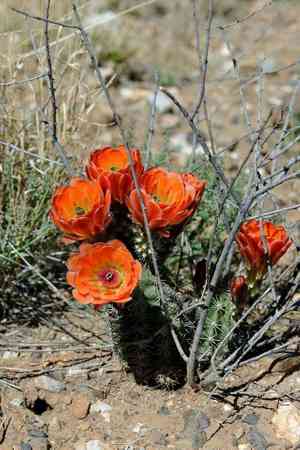
Scarlet hedgehog cactus's striking red blooms and dense, spiky form can create a dramatic focal point in any landscape design. During its flowering period, the vibrant flowers attract pollinators like hummingbirds, adding both visual and ecological value to your garden. Whether used as a single specimen or in groups, Scarlet hedgehog cactus provides an intriguing texture and color contrast that enhances the visual dynamics of your outdoor area.
Geographic suitability and resilience
Scarlet hedgehog cactus is particularly well-suited to regions that mirror its native habitatsâhot, dry, and sunny climates. It thrives in USDA hardiness zones 8 to 11, making it a practical option for gardeners in the southern and southwestern United States. Its resistance to extreme temperatures and low water needs also make it an environmentally friendly choice, aligning with sustainable gardening practices.
Selecting the Ideal Spot for Scarlet hedgehog cactus
Considering light and shade requirements
When incorporating Scarlet hedgehog cactus into your landscape, prioritize areas that receive ample sun exposure. This cactus flourishes in direct sunlight, which is vital for its healthy development and vibrant blooms. Avoid shaded spots or areas where taller plants might obscure it, as insufficient light can impede flowering and overall vigor.
Soil types and drainage necessities
Achieving optimal growth for Scarlet hedgehog cactus involves placing it in well-draining, sandy, or gritty soil. Poor drainage can lead to root rot, a common problem for many cacti. If your gardenâs soil is heavy clay or loam, consider amending it with sand or gravel to improve drainage. Alternatively, planting Scarlet hedgehog cactus in raised beds or mounds can also help facilitate better water runoff.
Spacing and arrangement for optimal growth
Proper spacing is crucial to ensure each Scarlet hedgehog cactus receives adequate airflow and sunlight. Position individual plants at least 12 to 18 inches apart. This not only promotes healthy growth but also minimizes the risk of fungal infections. Grouping several Scarlet hedgehog cacti together can create a visually impactful cluster, but ensure there's enough room for each cactus to expand without overcrowding.
Design Concepts Incorporating Scarlet hedgehog cactus
Creating rock gardens with Scarlet hedgehog cactus
Rock gardens are an ideal setting for Scarlet hedgehog cactus, allowing this cactus to flourish in an environment that closely resembles its natural habitat. Combine Scarlet hedgehog cactus with rocks of varying sizes to create an appealing landscape that also aids in natural drainage. The contrast between the cactus's spines and the smooth texture of rocks can create a unique visual interest in your garden.
Integrating Scarlet hedgehog cactus in border plantings
Using Scarlet hedgehog cactus in border landscaping adds structure and definition to garden paths or property edges. Its compact growth habit makes it an excellent choice for planting along borders where it can form a natural barrier. Additionally, the seasonal flowers will add periodic bursts of color, enhancing the aesthetic of basic garden boundaries.
Pairing Scarlet hedgehog cactus with other desert-like flora
To achieve a cohesive and thriving desert garden theme, consider pairing Scarlet hedgehog cactus with other drought-tolerant plants such as agaves, yuccas, and various types of succulents. These combinations not only enhance visual appeal through contrasting forms and textures but also ensure all plants share similar water and light requirements, simplifying maintenance.
Maintaining Scarlet hedgehog cactus in Your Garden
Watering schedules and requirements
Although Scarlet hedgehog cactus is incredibly drought-tolerant, occasional watering during extremely dry periods can support its health, especially during its blooming season. Aim to water deeply yet infrequently, allowing the soil to dry out completely between watering sessions to mimic its natural desert conditions and prevent root rot.
Addressing pests and common issues
Scarlet hedgehog cactus is relatively pest-resistant but can occasionally be troubled by mealybugs or scale insects. Inspect your plants regularly and treat infestations with either a diluted soap spray or a commercial insecticide approved for cacti. Be mindful of overwatering, as excessive moisture attracts pests and fosters fungal growth.
Seasonal care advice for Scarlet hedgehog cactus
Despite its hardy nature, providing seasonal care can optimize Scarlet hedgehog cactus's growth. In winter, ensure the cactus is shielded from excessive moisture by using protective covers or relocating potted plants indoors. In spring, a light application of cactus fertilizer can stimulate blooming and growth, enhancing the plant's natural beauty.



