Enhancing Your Garden Design with the Carolina larkspur Plant: A Landscaping Guide
1
Incorporating Carolina larkspur into your garden introduces vibrant hues and a distinctive shape, boosting its aesthetic charm.
2
Knowing the best planting periods and flowering cycles of Carolina larkspur assists in sustaining garden allure throughout the year.
3
Strategic pairing of Carolina larkspur with other plants fosters a harmonious and flourishing garden environment.
Appreciating the Visual Appeal of Carolina Larkspur
Vibrant Hues and Distinctive Shape: Carolina Larkspur's Role in Color Schemes
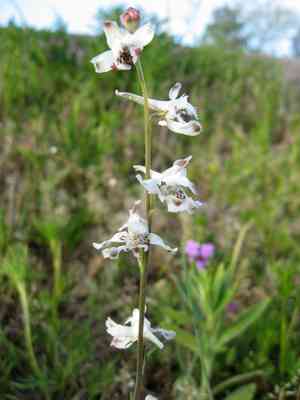
For injecting vivid color into your garden, Carolina larkspur stands out as an excellent option. Its brilliant shades can offer a striking contrast when paired with softer tones or can enhance other bright plants for a lively and cheerful atmosphere. The unique structure of Carolina larkspur, with its tall flower spikes, introduces vertical interest and depth to your garden, making it a central feature in any color palette. Whether used alone or as part of a mixed border, Carolina larkspur's intense colors and singular form are vital for garden design.
Height and Texture: How Carolina Larkspur Contributes to Layered Landscapes
Landscape design involves more than just colors; height and texture are equally important. Carolina larkspur, with its lofty, elegant spikes, adds varied height and textured layers to your garden's appearance. This plant can serve as a beautiful backdrop for shorter flora, creating a sense of depth and stratification that boosts your garden's visual charm. The tall stems of Carolina larkspur punctuate the garden, drawing the eye upward and adding a dynamic element to the overall layout. The soft feel of its leaves and blossoms also provides a distinct tactile experience, enriching the garden's multi-sensory appeal.
Incorporating Carolina Larkspur into Diverse Landscape Designs
Cottage Gardens: Crafting a Playful Look with Carolina Larkspur
For those who appreciate the charm and spontaneity of cottage gardens, Carolina larkspur is an ideal addition. Its natural, slightly untamed appearance blends seamlessly into these informal garden settings. By planting Carolina larkspur among other perennials and annuals, you can achieve that quintessential cottage garden aestheticâfull of movement, color, and vitality. The somewhat irregular way Carolina larkspur blooms contributes to a more relaxed and whimsical feel, a hallmark of the cottage garden style.
Formal Landscapes: Utilizing Carolina Larkspur to Maintain Balance and Order
Conversely, Carolina larkspur can also be effectively employed in more structured, formal garden designs. Its upright growth habit and clear vertical lines are well-suited for layouts that prioritize symmetry and order. Plant Carolina larkspur in rows or symmetrical patterns to establish a sense of rhythm and formality. Its predictable growth can act as a living column, grounding the design and providing a sense of balance and structure. By strategically placing Carolina larkspur within a formal landscape, it's possible to achieve a harmonious blend of natural beauty and architectural precision.
Seasonal Considerations for Carolina Larkspur in Landscaping
Optimal Planting Periods for Robust Growth
Timing is crucial for maximizing the potential of your Carolina larkspur plants. It's essential to plant Carolina larkspur at the correct time to ensure proper establishment and full development. Typically, the best planting time for Carolina larkspur is in early spring or fall when the soil is workable and temperatures are moderate. This allows the plant to develop strong roots before extreme summer heat or winter cold arrives. Providing the right conditions during planting will help Carolina larkspur flourish and become a stunning feature of your garden landscape.
Managing Carolina Larkspur's Bloom Cycles for Year-Round Interest
To keep your garden vibrant throughout the year, understanding and managing Carolina larkspur's bloom cycles is vital. Carolina larkspur typically flowers from late spring to early summer, creating a spectacular display that lasts for several weeks. To maintain year-round appeal, consider planting companion species that bloom at different times. Additionally, removing spent flowers can encourage more blooms and extend the flowering season. By carefully planning and managing Carolina larkspur's bloom cycles, you can ensure your garden remains colorful and engaging across all seasons.
Companion Planting with Carolina Larkspur: Advice and Strategies
Choosing Companions: What Pairs Best with Carolina Larkspur
Companion planting enhances your garden's beauty and health, and selecting the right plants to grow alongside Carolina larkspur can make a significant impact. Consider pairing Carolina larkspur with plants that have complementary colors, textures, and growth habits. Perennials like coreopsis or phlox, with their contrasting colors and similar growing conditions, can be excellent partners. Additionally, plants offering different textures, such as ornamental grasses, can highlight Carolina larkspur's unique form. Choosing the right companions helps create a balanced and harmonious garden.
Avoiding Common Errors in Companion Planting
While companion planting can be very beneficial, there are common mistakes to avoid. A major error is selecting plants that compete too aggressively with Carolina larkspur for nutrients and light. Ensure the companions you choose have similar water and soil needs without overshadowing Carolina larkspur. Another key consideration is avoiding combinations that could lead to pest issues or disease. By researching and planning carefully, you can create a thriving garden where Carolina larkspur and its companions coexist beautifully and healthily.



