Enhancing Your Garden Design with the Fireberry hawthorn Plant: A Landscaping Guide
1
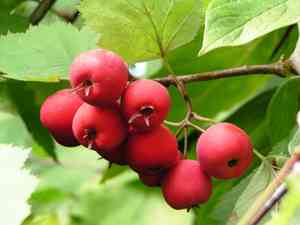
Fireberry hawthorn is recognized for its vivid berries and striking fall leaves.
2
Adding Fireberry hawthorn to your landscape can draw in diverse wildlife, including birds and beneficial insects.
3
Fireberry hawthorn requires minimal care and flourishes in a range of soil types.
Introducing Fireberry Hawthorn for Landscaping
Key characteristics of Fireberry hawthorn
Fireberry hawthorn, recognized for its striking appearance, features vivid, fire-red berries and attractive, lobed leaves. In spring, it produces white blossoms that lend a delicate charm to any setting. These attributes make it an excellent choice for plant enthusiasts seeking year-round visual appeal. Furthermore, its hardiness and adaptability to various soil types make it suitable for diverse garden designs.
Why select Fireberry hawthorn for your garden?
Choosing Fireberry hawthorn for your garden offers numerous advantages. Beyond its aesthetic appeal, it is known for attracting wildlife, providing sustenance for birds, and nectar for pollinators. Its dense foliage also makes it an ideal option for privacy screens and windbreaks. Moreover, Fireberry hawthorn requires less upkeep compared to other ornamental trees, making it a practical and beautiful addition to any yard.
Integrating Fireberry Hawthorn into Your Outdoor Space
Strategies for positioning Fireberry hawthorn in your landscape
Thoughtfully placing Fireberry hawthorn in your landscape can enhance your yard's overall design. Consider using it as a central feature in a mixed border, where its vibrant berries and foliage can stand out. Planting it near patios or along paths can also create an appealing visual and increase enjoyment of your outdoor area. Additionally, combining Fireberry hawthorn with other trees and shrubs that have different bloom times can ensure continuous interest.
Design concepts: pairing Fireberry hawthorn with other plants
When planning your garden, consider pairing Fireberry hawthorn with other plants to create a harmonious and attractive design. Think about combining it with evergreens for contrast or with other flowering shrubs to extend visual appeal throughout various seasons. Furthermore, groundcovers and low-growing perennials can help emphasize the unique qualities of Fireberry hawthorn while adding texture and diversity to your landscape.
Advantages of Fireberry Hawthorn in Outdoor Settings
Boosting biodiversity with Fireberry hawthorn
Incorporating Fireberry hawthorn into your outdoor areas promotes biodiversity by offering food and refuge for various wildlife species. The berries serve as a food source for birds, while the flowers attract pollinators like bees and butterflies. By supporting these creatures, Fireberry hawthorn helps foster a more balanced and flourishing ecosystem in your garden.
Seasonal charm and visual appeal provided by Fireberry hawthorn
A key advantage of Fireberry hawthorn is its capacity to provide year-round beauty and visual interest. In spring, its blooms add a fresh, colorful touch to your garden. During summer, its lush green leaves offer a calming backdrop, while in autumn, the foliage turns a vibrant red, complemented by the striking berries. Throughout winter, the berries persist, adding a splash of color when most other plants are dormant.
Maintaining Fireberry Hawthorn in Your Landscape
Fundamental considerations for Fireberry hawthorn's health
Caring for Fireberry hawthorn involves a few basic considerations to ensure its vitality. It prefers well-drained soil and a sunny spot but tolerates partial shade. Consistent watering, especially during dry spells, helps maintain its health. Applying mulch around the base can conserve moisture and prevent weeds from competing for nutrients.
Brief advice for keeping Fireberry hawthorn healthy and flourishing
For Fireberry hawthorn to remain a healthy and vibrant part of your landscape, follow these quick tips: prune it annually to maintain its shape and remove any dead branches, provide a balanced fertilizer in early spring to support growth, and monitor for pests and diseases, addressing any issues promptly to prevent their spread.



