The Walter's viburnum Plant Advantage: Maximizing Home and Office Appeal and Wellness
1
Walter's viburnum flourishes in diverse soil conditions and readily adjusts to various surroundings.
2
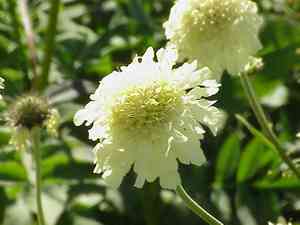
This shrub delivers seasonal charm, showcasing beautiful white blossoms during springtime.
3
Walter's viburnum offers crucial shelter and sustenance for local fauna, fostering ecological variety.
Why Consider Cultivating Walter's Viburnum?
An Adaptable Plant for Diverse Environments
A prominent characteristic of Walter's viburnum is its remarkable versatility. This plant is known to flourish in various soil compositions, including sandy, clay, and loamy types. It also withstands both moist and arid conditions, making it a robust option for gardeners in varied climates. Furthermore, Walter's viburnum can thrive in both full sun and partial shade, offering flexibility in placement across your garden or landscape.
Enhanced Visual Appeal
Walter's viburnum is prized for its striking aesthetic qualities. In springtime, it produces clusters of small, white blossoms that create a stunning display. This seasonal bloom not only beautifies your garden but also attracts pollinators like bees and butterflies, contributing to the health and vigor of your garden ecosystem. Moreover, the plant's evergreen foliage provides year-round greenery, ensuring your landscape remains vibrant even in colder months.
Ecological Advantages of Walter's Viburnum
Fostering Biodiversity
By integrating Walter's viburnum into your garden, you positively impact local wildlife. This plant serves as a vital food source and habitat for various species, including birds and small mammals. The dense foliage and berries produced by Walter's viburnum offer shelter and sustenance, encouraging a diverse array of fauna to flourish in your garden. Increased biodiversity not only improves ecological balance but also ensures a healthier, more resilient landscape.
Carbon Sequestration and Air Purification
Like many plants, Walter's viburnum plays a crucial role in carbon capture. By absorbing atmospheric carbon dioxide and storing it, this plant helps mitigate climate change effects. Additionally, Walter's viburnum aids in air purification by filtering pollutants and enhancing air quality. This makes it an environmentally friendly choice for eco-conscious gardeners aiming to reduce their carbon footprint.
Practical Applications of Walter's Viburnum in Landscaping
Creating Natural Boundaries and Hedges
Walter's viburnum is an excellent selection for establishing natural borders and hedges. Its dense growth habit makes it ideal for providing privacy and delineating garden areas. Whether you wish to line pathways, frame garden beds, or form a living fence, Walter's viburnum offers a visually appealing and functional solution. Its ability to be trimmed and shaped allows you to maintain the desired height and form, ensuring your landscape design goals are met.
Erosion Control and Soil Stabilization
Beyond its aesthetic and environmental benefits, Walter's viburnum also plays a key role in preventing erosion and stabilizing soil. Its extensive root system helps anchor the soil, preventing erosion on slopes and embankments. This characteristic makes it particularly valuable for landscapes prone to soil loss. By planting Walter's viburnum, you can safeguard your garden from detrimental soil erosion while simultaneously adding beauty and structure to the area.
Cultivation Guide for Walter's Viburnum
Watering and Soil Requirements
While Walter's viburnum is relatively low-maintenance, proper irrigation and soil care can enhance its growth and performance. Ensure the plant receives regular watering, especially during dry periods, to maintain healthy foliage and root systems. Although Walter's viburnum tolerates various soil types, enriching the soil with organic matter can promote better moisture retention and root development.
Pruning and Maintenance Advice
Pruning Walter's viburnum is essential for maintaining its form and encouraging robust growth. Perform light trimming after the blooming period to remove spent flowers and any damaged or diseased branches. Regularly inspect the plant for signs of pests or diseases and address any issues promptly to keep Walter's viburnum thriving. With minimal effort, you can enjoy the beauty and advantages of this versatile plant throughout the year.



