The Arctic lupine Plant Advantage: Maximizing Home and Office Appeal and Wellness
1
This plant is recognized for its capacity to fix nitrogen, enhancing soil quality.
2
It provides a home for numerous helpful insects and other creatures.
3
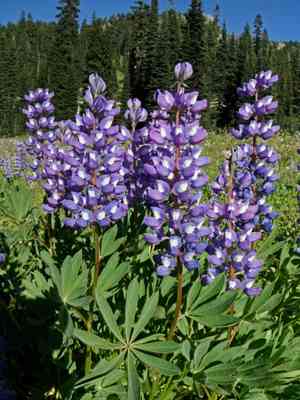
Its colorful blooms contribute to the beauty of outdoor spaces and gardens.
How Does Arctic lupine Enhance Soil Quality?
Nitrogen Fixation
A key advantage of Arctic lupine is its remarkable capacity to fix nitrogen in the soil. This process involves the plant forming a symbiotic relationship with bacteria within its root nodules. These bacteria convert atmospheric nitrogen into a form readily usable by plants. This natural fertilization method not only lessens the need for synthetic fertilizers but also boosts soil fertility, making it an ideal partner for other flora.
Erosion Control
Another crucial benefit of Arctic lupine is its effectiveness in preventing soil erosion. The plant's robust root system works to stabilize the ground, preventing washout and promoting water retention. This can be especially advantageous in areas prone to soil degradation and can lead to the development of healthier, more resilient landscapes.
What Are the Ecological Advantages of Arctic lupine?
Supporting Biodiversity
Arctic lupine plays a significant role in fostering local biodiversity. Its blossoms attract a variety of pollinators, including bees, butterflies, and other beneficial insects. These pollinators are vital to ecosystem health as they aid in the reproduction of numerous plant species. By cultivating Arctic lupine, you create a supportive habitat for these essential creatures, contributing to the overall health and diversity of your local ecosystem.
Providing Habitat
In addition to aiding pollinators, Arctic lupine also offers shelter for various small wildlife. Birds and small mammals may utilize the plant for refuge and as a food source, cultivating a richer and more diverse garden ecosystem. This increased biodiversity can result in natural pest management and a more balanced ecosystem.
Is Arctic lupine Beneficial for Decorative Purposes?
Aesthetic Value
Beyond its ecological advantages, Arctic lupine is valued for its visual appeal. The plant produces striking, vibrant flowers that can add a burst of color to any garden or landscape. Its distinctive appearance makes it a favorite among gardeners aiming to create visually pleasing outdoor spaces.
Low Maintenance
Arctic lupine is a low-upkeep plant that thrives with minimal attention, making it an excellent choice for both beginner and experienced gardeners. Its drought tolerance and ability to flourish in diverse soil types mean it requires less water and care than many other ornamental plants. This ease of maintenance makes it an eco-friendly and cost-effective addition to any garden.
How to Integrate Arctic lupine into Your Garden
Planting Tips
When incorporating Arctic lupine into your garden, consider its preferred growing conditions. It thrives in well-drained soil and full sunlight but can tolerate partial shade. Planting it alongside other native species can amplify its benefits and create a more cohesive and supportive garden environment. Consistent watering during the establishment phase, followed by minimal upkeep, ensures the plant's health and longevity.
Companion Planting
Arctic lupine is an excellent companion plant for many garden vegetables and ornamental plants. Its nitrogen-fixing capability enriches the soil for its neighbors, leading to healthier and more productive gardens. Pairing it with plants that have similar growing requirements can create a mutually beneficial environment, leading to a thriving garden ecosystem.



