The Fen bedstraw Plant Advantage: Maximizing Home and Office Appeal and Wellness
1
Fen bedstraw flourishes in damp environments, supporting robust ecosystems.
2
This flora is recognized for its capacity to draw in helpful insects.
3
Fen bedstraw possesses a past of utilization for diverse practical purposes.
What is Fen bedstraw?
Characteristics of Fen bedstraw
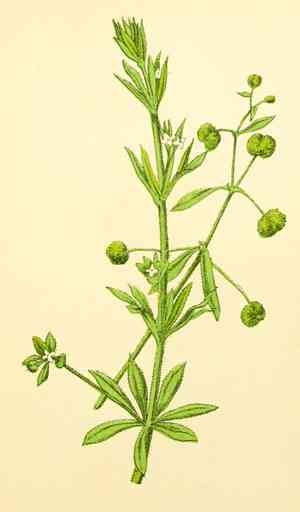
Fen bedstraw is a perennial plant flourishing in marshy and wetland environments. It typically reaches a height of 15-80 cm, distinguished by its slender, whorled leaves and small white blossoms. This plant is commonly found across Europe and parts of Asia, adding a distinct beauty to natural landscapes.
Habitat Preferences
Fen bedstraw is frequently encountered in wetlands, bogs, and marshes. Its preference for damp conditions aids in maintaining ecological balance by stabilizing soil and assisting water filtration. It plays a vital role in preventing soil erosion and offering refuge for various species.
How Does Fen bedstraw Benefit the Ecosystem?
Conserving Wetland Habitats
Fen bedstraw's presence in wetland areas contributes to the preservation of these fragile ecosystems. Wetlands are crucial for water purification, flood control, and providing homes for countless species. By stabilizing the soil and slowing water flow, Fen bedstraw helps maintain the ecological health of these regions.
Supporting Biodiversity
The plant attracts numerous beneficial insects, including bees, butterflies, and other pollinators. Its flowers offer a much-needed nectar source, essential for these insects' survival. In turn, the presence of these pollinators supports the broader plant community, contributing to a more diverse and robust ecosystem.
What Are the Practical Uses of Fen bedstraw?
Traditional Applications
Historically, Fen bedstraw has been used for various purposes, from crafting to practical daily life applications. For instance, its fibrous nature made it ideal for creating basic ropes and nets. These traditional uses highlight how integral Fen bedstraw has been to human societies over generations.
Modern Relevance
While technology has replaced many traditional uses, Fen bedstraw remains relevant today. Conservationists and ecologists use Fen bedstraw in habitat restoration projects, leveraging its soil-stabilizing and water-filtration properties to rehabilitate degraded wetland areas. This plant remains an important tool for environmental sustainability.
How Can Fen bedstraw Be Cultivated?
Ideal Growing Conditions
Successful cultivation of Fen bedstraw requires replicating its natural wetland environment. It thrives in moist soil with high organic matter content. Partial shade to full sun exposure is optimal, though the plant adapts well to varying light conditions. Gardeners and conservationists aiming to cultivate Fen bedstraw should focus on providing a consistently wet environment.
Propagation Techniques
Fen bedstraw can be propagated using both seeds and cuttings. Seed propagation offers genetic diversity, while cuttings ensure specific desired traits are preserved. When propagating from seeds, it's crucial to keep the soil moist and provide a cold stratification period to enhance germination rates. Cuttings, conversely, should be taken from healthy plants and rooted in a moist, well-draining medium.
The Importance of Fen bedstraw in Conservation Efforts
Restoring Natural Habitats
In many regions, wetland habitats face threats from urban development, pollution, and climate change. Introducing Fen bedstraw in conservation projects can help restore these vital areas. Its ability to stabilize soil and support water filtration makes it an indispensable asset in efforts to revive and protect wetland environments.
Enhancing Ecological Education
Raising awareness about Fen bedstraw's benefits can improve ecological education efforts. By understanding the importance of such plants, individuals and communities can make more informed decisions about land use and conservation practices. Educational initiatives that include Fen bedstraw in their curriculum can foster a greater appreciation for wetland ecosystems and the vital services they provide.



