The Scarlet hedgehog cactus Plant Advantage: Maximizing Home and Office Appeal and Wellness
1
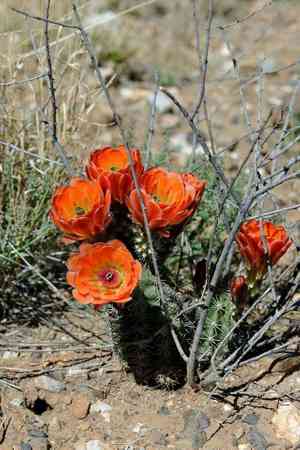
This botanical specimen is celebrated for its vivid, crimson flowers that illuminate dry terrains.
2
The scarlet hedgehog cactus flourishes in severe desert conditions, establishing itself as a robust and easy-to-care-for garden feature.
3
This flora is valued for its environmental contributions, offering sustenance and shelter to indigenous fauna.
What Are the Main Characteristics of Scarlet hedgehog cactus?
Striking Visual Appeal
The Scarlet hedgehog cactus is easily identified by its vivid red blossoms that stand out against its spiny, green stems. These bright flowers typically emerge in spring, creating a stunning display in dry and semi-arid environments. Its aesthetic charm makes it a favorite for gardeners and designers seeking bold, captivating plants.
Hardy Nature
Scarlet hedgehog cactus is remarkably tough, able to endure extreme temperatures and prolonged dry spells. This resilience is natural to its native harsh desert surroundings. Consequently, the plant needs minimal watering and upkeep, making it an excellent choice for gardeners desiring low-maintenance greenery.
How Does Scarlet hedgehog cactus Benefit the Ecosystem?
Supporting Local Wildlife
Scarlet hedgehog cactus plays a vital role in supporting local ecosystems by offering sustenance and shelter for various animal species. Birds, insects, and other creatures often consume its flowers and fruit, aiding in the pollination of other plants and preserving biodiversity. Furthermore, its dense spines provide refuge for small animals, acting as a natural defense against predators.
Soil Preservation
The root system of Scarlet hedgehog cactus is effective at preventing soil erosion, which is especially advantageous in arid regions where soil degradation can be a major concern. By anchoring the soil, this cactus helps maintain soil health and prevents the loss of topsoil during wind or water erosion.
Why Should You Incorporate Scarlet hedgehog cactus in Your Garden?
Low Maintenance Needs
Gardeners value Scarlet hedgehog cactus for its minimal care requirements. Once established, the plant needs very little water, perfectly aligning with xeriscaping principles. This not only conserves water but also reduces the need for frequent garden upkeep, allowing gardeners to enjoy a beautiful landscape with less effort.
Design Versatility
Scarlet hedgehog cactus can be utilized in various landscape designs, from rock gardens to container arrangements. Its striking flowers and sturdy form make it a versatile plant that fits well in many settings. Whether used as a focal point or as part of a larger desert-themed garden, this cactus can enhance the overall attractiveness of your outdoor space.
What Are the Optimal Growing Conditions for Scarlet hedgehog cactus?
Sunlight and Soil Needs
Scarlet hedgehog cactus thrives in full sun, requiring at least six hours of direct sunlight daily. The plant prefers well-draining sandy or gravelly soils, which mimic its natural desert habitat. It is crucial to avoid waterlogged conditions, as excessive moisture can lead to root rot and other problems.
Temperature Resilience
Scarlet hedgehog cactus is well-adapted to a range of temperatures, from the intense summer heat to the cold nights of high desert environments. While it can withstand significant heat, protection from frost is advisable in colder climates. Mulching around the base can help insulate the roots during unexpected cold spells.
How Can Scarlet hedgehog cactus Be Used in Landscaping?
Water-efficient Landscapes
Scarlet hedgehog cactus is an ideal choice for xeriscaping, a landscaping approach designed to minimize water usage. By integrating this cactus into your garden, you can create a sustainable, water-efficient landscape that still offers a strong visual impact. Its ability to flourish with minimal irrigation supports eco-friendly gardening practices.
Companion Plantings
Pairing Scarlet hedgehog cactus with other drought-tolerant plants can create a harmonious and appealing garden design. It complements a variety of succulents, other cacti, and hardy perennials. This compatibility allows gardeners to experiment and design diverse plantings that provide year-round interest.



