The Threeway sedge Plant Advantage: Maximizing Home and Office Appeal and Wellness
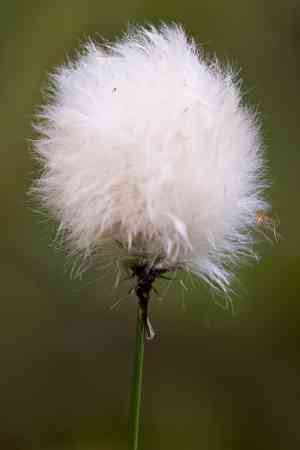
1
Threeway sedge provides considerable ecological advantages, aiding in soil stabilization and erosion prevention.
2
Threeway sedge sustains a varied array of wildlife, furnishing both living space and sustenance.
3
This robust flora is commonly employed in wetland rehabilitation initiatives because of its durability.
Why is Threeway Sedge Essential for Wetland Ecosystems?
Ground Stability and Erosion Prevention
A key ecological advantage of Threeway sedge is its function in stabilizing soil. Its extensive root network firmly anchors the soil, which is especially crucial in wetlands susceptible to erosion from water flow and floods. Stable soil lessens sediment runoff into water bodies, preserving water quality and preventing sedimentation that can harm aquatic habitats.
Water Purification and Quality Enhancement
Threeway sedge is vital for improving water quality through natural filtration. As water moves through areas with Threeway sedge, pollutants and excess nutrients are captured by its roots. This not only cleanses the water but also prevents nutrient overload, which can cause issues like algal blooms. Maintaining high water quality in wetlands is essential for the well-being of numerous aquatic species and the entire ecosystem.
How Does Threeway Sedge Support Animal Life?
Habitat Provision
Threeway sedge offers crucial habitat for diverse wildlife. Its dense growth provides refuge and breeding sites for birds, amphibians, and insects. Specifically, small mammals and birds use these areas for nesting, while the plant's structure offers protection from predators. This biodiversity is critical for the stability and health of wetland ecosystems.
Food Source
Beyond providing habitat, Threeway sedge also serves as sustenance for many species. Its seeds are consumed by birds, while various plant parts are eaten by herbivorous mammals and insects. The presence of Threeway sedge in wetlands ensures a consistent nutrient supply to the food web, supporting a wide array of species.
Uses of Threeway Sedge in Environmental Preservation
Wetland Restoration and Conservation Initiatives
One of the most significant applications of Threeway sedge is in wetland restoration and conservation projects. Due to its hardiness and ability to thrive in wet conditions, Threeway sedge is often planted to revitalize degraded wetland areas. It helps reintroduce native plants, restore natural water filtration, and stabilize soil, leading to a more balanced and healthy ecosystem. Conservationists rely on Threeway sedge's robust nature to initiate the recovery of these vital areas.
Flood Mitigation and Water Management
In addition to restoration, Threeway sedge contributes to flood control and water management. Wetlands abundant with Threeway sedge act as natural buffers, absorbing surplus water during heavy rains and floods. This not only lessens the immediate impact of floods on nearby communities but also aids in replenishing groundwater supplies. Effective water management in these regions can reduce flood risks and promote sustainable water use.
Can Threeway Sedge Be Incorporated into Landscaping and Gardening?
Aesthetic and Practical Landscaping
Beyond its ecological benefits, Threeway sedge is used in landscaping and gardening, especially in areas prone to wetness. Its attractive, slender foliage and ability to flourish in moist soil make it a popular choice for creating visually appealing and functional landscape features. Planting Threeway sedge in gardens or along water features can enhance beauty while also promoting soil and water health.
Minimal Upkeep Requirements
Another benefit of Threeway sedge in landscaping is its low maintenance needs. It is a resilient plant that can endure various environmental stresses, reducing the need for frequent care. This makes Threeway sedge an ideal option for gardeners and landscapers seeking sustainable, easy-to-maintain plant choices that offer both beauty and ecological advantages. Its resistance to pests and diseases further adds to its appeal for low-maintenance landscaping projects.



