The Downy hawthorn Plant Advantage: Maximizing Home and Office Appeal and Wellness
1
Crataegus mollis yields lovely white blossoms in springtime, beautifying any landscape.
2
The fruits of Crataegus mollis are abundant in antioxidants.
3
Crataegus mollis may offer organic assistance for numerous health issues.
What Is Downy hawthorn?
A Brief Overview
Downy hawthorn is a notable species recognized for its striking appearance and advantageous qualities. Hailing from North America, this plant adapts well to diverse climates and soil conditions.
Distinct Characteristics
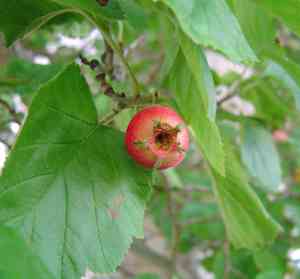
Downy hawthorn is identified by its dense clusters of white flowers blooming in spring, followed by small red fruits. Its leaves are notably fuzzy, lending a unique texture to the plant.
Gardening Benefits of Downy hawthorn
Enhances Garden Aesthetics
A primary reason to consider Downy hawthorn for your garden is its stunning visual appeal. The white blooms create a picturesque scene, while the red fruits add a splash of color later in the year. Furthermore, its dense foliage can form a lush, green backdrop that complements other garden plants.
Attracts Wildlife
Downy hawthorn is not only beautiful but also beneficial for local fauna. Its flowers draw in pollinators like bees and butterflies, fostering a healthy garden ecosystem. The berries serve as a food source for various bird species, making your garden a haven for birdwatchers.
Health Benefits of Downy hawthorn
Rich in Antioxidants
One of the prominent features of Downy hawthorn is its fruit, which is abundant in antioxidants. These compounds help neutralize harmful free radicals in the body, contributing to overall health and wellness.
Supports Heart Health
The fruits from Downy hawthorn are known to support cardiovascular well-being. They contain beneficial compounds that aid in maintaining healthy blood pressure levels and improving circulation.
How to Grow and Care for Downy hawthorn
Ideal Growing Conditions
For successful growth, position Downy hawthorn in an area receiving ample sunlight. While the plant tolerates various soil types, it thrives best in well-drained soil. Consistent watering is crucial, especially during dry spells, to keep the plant healthy and robust.
Maintenance Tips
Pruning is an important aspect of maintaining Downy hawthorn. Remove any dead or diseased branches to encourage new growth and keep the plant looking its best. Mulching around the base can help retain moisture and provide nutrients to the soil.
Uses for Downy hawthorn in Landscaping
Creating a Natural Hedge
Downy hawthorn is an excellent choice for forming natural hedges. Its dense growth habit makes it ideal for providing privacy and defining garden borders. Additionally, its seasonal changesâfrom blossoms to berriesâoffer year-round interest.
Enhancing Garden Diversity
Incorporating Downy hawthorn into your garden can boost overall biodiversity. Its ability to attract pollinators and provide food for birds makes it a valuable addition to any garden ecosystem.



