The Fireberry hawthorn Plant Advantage: Maximizing Home and Office Appeal and Wellness
1
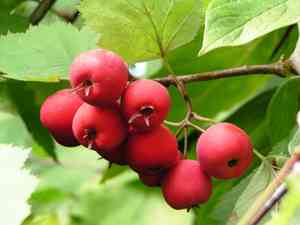
Fireberry hawthorn yields bright red fruits that are both aesthetically pleasing and draw in local fauna.
2
This species is recognized for its vigorous development across diverse soil types.
3
Fireberry hawthorn contributes to garden biodiversity by supporting a range of beneficial insects.
What Makes Fireberry hawthorn Stand Out?
Ornamental Appeal
Fireberry hawthorn is highly valued for its striking crimson fruits that bring a burst of color to outdoor spaces, especially during autumn and winter. These berries not only boost visual charm but also persist for an extended duration, becoming a focal point in your landscape.
Adaptability
Fireberry hawthorn exhibits great versatility, flourishing in diverse soil types and conditions. Whether your garden features sandy, loamy, or clay earth, this robust plant can establish itself and grow vigorously. This flexibility makes it a suitable option for various gardening environments.
How Does Fireberry hawthorn Support Biodiversity?
Attracts Pollinators
Fireberry hawthorn plays a vital role in fostering garden biodiversity by drawing in a variety of pollinators, including bees, butterflies, and birds. The presence of these pollinators is crucial for the well-being of your garden's ecosystem.
Supports Wildlife
The red fruits of Fireberry hawthorn are a preferred food source for numerous bird species, aiding in the maintenance of a healthy and varied wildlife population in your garden. Furthermore, the plant's dense foliage offers refuge to small mammals and insects, further contributing to ecological balance.
Why Fireberry hawthorn is a Low-Maintenance Plant?
Minimal Water Requirements
Fireberry hawthorn needs infrequent watering once established, making it an excellent choice for gardeners aiming to reduce their water consumption. This drought-tolerant characteristic ensures the plant remains robust even during dry periods.
Pest and Disease Resistance
Fireberry hawthorn is recognized for its resilience against common pests and diseases, lessening the need for chemical treatments and promoting a healthier, more sustainable garden environment. Its inherent hardiness means less effort is required to maintain its vitality and appearance.
What are the Aesthetic Benefits of Fireberry hawthorn?
Seasonal Interest
With its vivid red berries and lush foliage, Fireberry hawthorn provides year-round visual appeal in your garden. The plant is particularly captivating in the fall and winter, when many other plants are dormant, ensuring your garden remains attractive throughout the seasons.
Landscape Versatility
Fireberry hawthorn can be incorporated into various landscaping designs, from formal gardens to naturalistic settings. Its adaptability allows it to integrate seamlessly with other plants, creating a harmonious and visually pleasing garden layout.
How Fireberry hawthorn Contributes to Soil Health?
Soil Stabilization
Fireberry hawthorn possesses a robust root system that helps anchor the soil and prevent erosion. This is especially advantageous for gardens situated on slopes or areas susceptible to soil degradation.
Nutrient Enrichment
The fallen leaves and decomposed berries of Fireberry hawthorn add organic matter to the soil, boosting its nutrient content over time. This natural process enriches the soil, fostering healthier plant growth overall.



