The Swamp thistle Plant Advantage: Maximizing Home and Office Appeal and Wellness
1
Swamp thistle offers distinct ecological advantages, aiding indigenous fauna.
2
This flora flourishes in moist, marshy habitats, serving a vital function within these ecosystems.
3
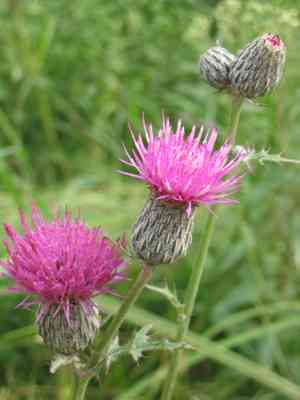
Swamp thistle displays vivid violet blossoms that draw in numerous pollinators.
What Makes Swamp Thistle Unique?
Ecological Contributions
A primary advantage of Swamp thistle is its function in aiding local wildlife. The plant supplies vital nectar and pollen to various pollinators, including bees and butterflies. This is especially crucial in wetland regions where such resources may be scarce. Furthermore, Swamp thistle seeds offer a food source for birds, further integrating it into the local food web.
Habitat Development
Swamp thistle significantly aids in habitat creation within marshy environments. Its dense, robust growth helps secure soil and prevent erosion, which is vital for maintaining the integrity of wetland ecosystems. By offering cover and nesting sites, the plant also supports diverse animal species, fostering rich biodiversity where it thrives.
How Does Swamp Thistle Boost Biodiversity?
Pollinator Attraction
The vibrant purple blooms of Swamp thistle act as a magnet for pollinators. Bees, butterflies, and other insects are drawn to these flowers, ensuring the pollination of not only Swamp thistle itself but also other nearby plants. This symbiotic relationship helps sustain local flora and fauna, promoting a diverse and healthy ecosystem.
Support for Other Plant Species
Swamp thistle provides a supportive role for other plant species in its environment. By stabilizing the soil and enriching it with organic matter as its leaves and stems decompose, Swamp thistle helps create a more welcoming environment for other plants to establish and grow. This complementarity enhances the overall plant diversity in the area.
Why is Swamp Thistle Crucial for Wetland Restoration?
Soil Stabilization
In efforts to restore degraded wetlands, Swamp thistle is often a preferred plant due to its capacity to stabilize soil. Its root system effectively holds soil in place, reducing erosion and assisting in rebuilding the structure of wetland areas. This soil stabilization is a fundamental aspect of successful wetland restoration projects.
Water Purification
Swamp thistle also contributes to water purification. As it grows, the plant helps filter out pollutants and sediments from the water, enhancing the quality of the aquatic environment. This natural filtration process benefits the entire ecosystem, supporting the health of not only plant and animal life but also the water itself.
How Can You Benefit From Cultivating Swamp Thistle?
Gardens and Landscaping
Swamp thistle can be an excellent addition to gardens and landscaping endeavors, particularly in areas prone to moisture or wetlands. Its striking flowers add aesthetic appeal, and its ability to attract pollinators can improve the overall health and productivity of a garden. Moreover, incorporating Swamp thistle into landscaping designs can contribute to local biodiversity and ecological well-being.
Educational Value
Cultivating Swamp thistle can also offer educational advantages. By including this plant in school gardens or community initiatives, it creates opportunities for learning about wetland ecosystems, the importance of pollinators, and conservation efforts. Educational programs centered around Swamp thistle can help foster a deeper appreciation for nature and the critical roles these plants play.



